
Muralla de Avila
Dirección: C. de San Segundo, 17, 05001 Ávila, España
🤖 Guía Inteligente MyViaje
Información oficial
✨ Qué ver en este lugar
Discover Muralla de Avila
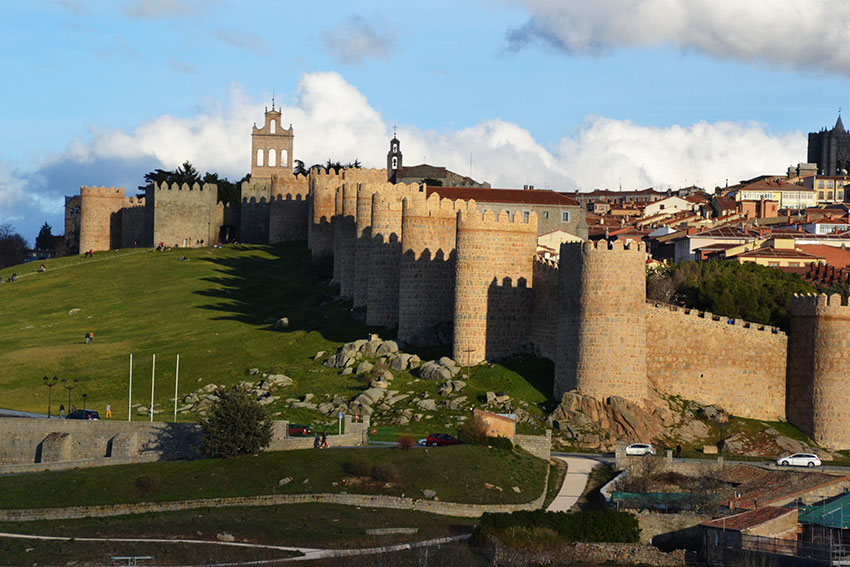
Nestled in the heart of Spain, the Muralla de Avila stands as a monumental testament to the country's rich historical tapestry. This impressive medieval wall encircles the old town of Ávila, a UNESCO World Heritage Site, and serves as one of the best-preserved fortifications in Europe. Spanning over 2.5 kilometers and featuring 88 towers, the wall offers visitors a glimpse into the architectural ingenuity of the past as well as breathtaking views of the surrounding landscape. As you wander through the narrow streets of Ávila, the towering presence of the Muralla is a constant reminder of the city's storied history and cultural significance.
History and origins
The origins of the Muralla de Avila date back to the 11th century when it was constructed to protect the city from external threats during a tumultuous period marked by the Reconquista. The walls were built under the reign of King Alfonso VI, who aimed to establish a fortified stronghold to safeguard Christian territories from Muslim incursions. Over the centuries, the wall has undergone numerous renovations and expansions, reflecting the changing architectural styles and military needs of different eras. The walls are predominantly made of granite, which was quarried locally, and their robust structure has withstood the test of time, making them an iconic symbol of Ávila.
What to see and highlights
Visitors to the Muralla de Avila can explore several key highlights that showcase the wall's architectural and historical significance. One of the most notable features is the impressive "Puerta del Alcázar," a grand entrance that serves as a reminder of the wall's defensive purpose. As you stroll along the battlements, you'll find several observation points that offer panoramic views of the city and the surrounding countryside, making it an ideal spot for photography enthusiasts.
Another must-see is the "Torre de los Guzmanes," a prominent tower that dates back to the 15th century. This tower not only serves as a lookout point but also houses a small exhibition detailing the history of the wall and its importance to the city’s defense. Additionally, the "Casa de las Carnicerías," located nearby, is a historical building that once served as a meat market and now hosts various cultural events and exhibitions, providing insight into the local lifestyle.
As you walk along the wall, don't miss the opportunity to explore the various chapels and churches that dot the landscape, including the stunning "Iglesia de San Pedro." Each of these historical sites adds to the rich narrative of Ávila's past and enhances the overall experience of visiting the Muralla.
Practical visitor information
The Muralla de Avila is open to visitors throughout the year, with specific hours that may vary by season. It is advisable to check the official tourism website for the most current information regarding opening hours and any potential entrance fees. Guided tours are available and can provide deeper insights into the wall's history and significance, making your visit even more enriching.
To ensure a comfortable experience, wear comfortable walking shoes, as the cobblestone paths can be uneven in places. If you're planning to visit during the warmer months, bring water and sun protection, as there are limited shaded areas along the wall. Restrooms and refreshment options are available in the vicinity, allowing you to take breaks during your exploration.
How to get there
Reaching the Muralla de Avila is quite convenient, whether you are traveling by car, bus, or train. If you choose to drive, ample parking options are available within walking distance of the wall. For those using public transport, Avila is well-connected by train from major cities such as Madrid and Salamanca, making it an easy day trip. The train station is a short walk from the city center, where the Muralla is located.
Once in the city, navigation is straightforward, and many visitors enjoy exploring by foot. The old town is compact, allowing you to easily discover not just the wall, but also other historical landmarks, quaint shops, and local eateries.
Travel tips
To make the most of your visit to the Muralla de Avila, consider the following travel tips:
- Timing: Visit early in the morning or later in the afternoon to avoid the crowds and enjoy a more peaceful experience.
- Guided tours: Take advantage of guided tours, which can provide valuable context and stories about the wall and the city’s history.
- Local cuisine: Don't miss the opportunity to sample local delicacies, such as the famous "yemas de Ávila," a sweet treat made from egg yolks, at nearby cafés.
- Photography: Bring your camera! The scenic views from the wall and the charming streets of Ávila present countless photo opportunities.
Why it is worth visiting
Visiting the Muralla de Avila is not just about seeing an ancient wall; it’s about immersing yourself in the rich history and culture of Spain. The experience allows you to connect with the past, as you walk in the footsteps of those who once defended the city. The wall's monumental scale and architectural beauty are awe-inspiring, and the surrounding city offers a plethora of cultural experiences, from historic churches to local markets. Whether you are a history enthusiast, an architecture lover, or simply seeking a unique travel experience, the Muralla de Avila promises to leave a lasting impression and enrich your understanding of Spain's vibrant heritage.
Guarda este lugar en tu diario
Podrás marcar que lo has visitado, guardar la fecha y hora, escribir notas privadas y añadir también un gasto de ese lugar dentro de tu viaje.


